
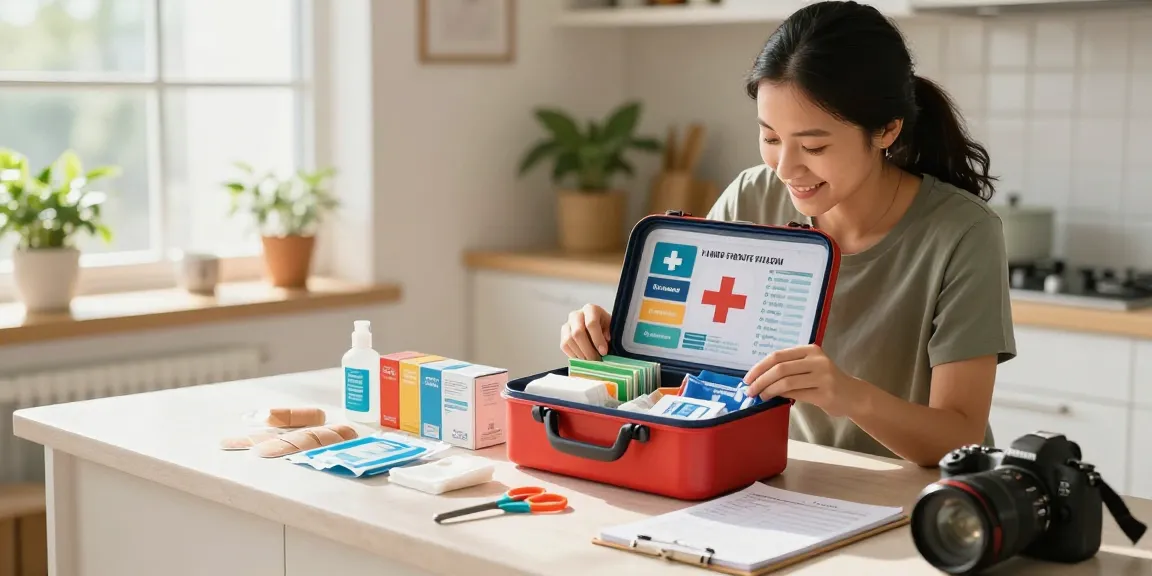
Understanding the Importance of a First Aid Box
A well-stocked first aid box is an essential component of any home, workplace, or vehicle. In emergencies, quick access to medical supplies can make a significant difference between managing a small injury effectively and needing to seek professional help. In this guide, we will explore why first aid boxes are vital, what items they should contain, and how to maintain them. To better understand the vital components, refer to this first aid box items list that details critical supplies for various situations.
What is a First Aid Box?
A first aid box, often referred to as a first aid kit, is a collection of medical supplies and equipment that is used to give medical assistance in emergencies. These kits are designed to treat minor injuries, provide initial care for serious health issues, and stabilize conditions until professional medical help can be obtained. The contents of a first aid box can vary widely depending on factors such as location, anticipated risks, and specific health needs.
Why Every Home Needs a First Aid Box
In our day-to-day lives, accidents are bound to happen, whether it’s a small cut while cooking, a burn from a hot surface, or a more serious injury during sports activities. A first aid box provides peace of mind, knowing that you have the means to handle unexpected medical situations. Furthermore, having a first aid box readily available can enable quick action in emergencies, potentially saving lives.
Common Misconceptions About First Aid Supplies
Many people believe that a first aid box only needs to contain band-aids and antiseptics. However, this limited perspective can lead to inadequate preparedness. First aid kits should be comprehensive, including supplies for various types of injuries and conditions, such as allergic reactions, cuts, sprains, and even CPR equipment. Understanding the complete range of items needed is crucial for effective emergency response.
Essential Items for Your First Aid Box
Must-Have Supplies for Basic Care
Regardless of your specific needs, there are fundamental supplies that should be present in every first aid box:
- Adhesive bandages in various sizes
- Gauze pads and adhesive tape
- Antiseptic wipes or solution
- Hydrocortisone cream for inflammation
- Scissors for cutting materials
- Tweezers for splinter removal
- Disposable gloves (preferably nitrile)
- Instant cold packs
- Elastic bandages for sprains
- Saline solution for rinsing wounds
Advanced Items for Serious Situations
For those who engage in higher-risk activities or have specific health vulnerabilities, advanced items may also be essential:
- CPR face shield or mask
- Emergency blanket (space blanket)
- Burn dressing or gel
- Splinting material for fractures
- Medication for allergic reactions (e.g., EpiPen)
- Instant glucose for diabetic emergencies
- Vein tourniquet for severe bleeding
Customizing Your First Aid Box to Your Needs
When assembling a first aid box, consider the unique needs of your household or workplace. Factors such as the presence of young children, elderly individuals, or those with chronic health conditions should influence the contents. Consulting with a healthcare professional can also help ensure that your first aid box is appropriately tailored for your specific requirements.
Organizing Your First Aid Box Effectively
Best Practices for Item Placement
Organization plays a crucial role in the functionality of a first aid box. Supplies should be arranged in a logical manner, making it easier to find items during an emergency. Group similar items together, and consider using small bags or compartments to separate them. Clearly label each compartment for even quicker access.
Regular Inventory Checks and Expiration Dates
First aid supplies can expire, lose effectiveness, or become damaged over time. It’s important to conduct regular inventory checks to ensure that your first aid box is stocked with unexpired and functional items. A good practice is to review your supplies at least twice a year, replacing any expired medications or supplies accordingly.
Creating a First Aid Checklist Template
To streamline the process of maintaining your first aid box, consider creating a checklist. This document should outline every item in your first aid box, including quantities and expiration dates. Having a checklist readily available simplifies the inventory process and helps ensure that you are always prepared.
First Aid Training and Preparedness
Benefits of First Aid Training for All Ages
Understanding how to use the items in your first aid box is just as important as having the supplies available. First aid training can equip individuals with the skills to respond effectively in emergency situations. Training courses are available for people of all ages, enabling everyone from children to seniors to learn essential life-saving techniques.
Finding the Right Training Courses
When searching for first aid training programs, consider locally available options through community centers, hospitals, or Red Cross affiliates. Look for courses that include hands-on training and are taught by certified instructors. Online courses are also an option, providing flexibility for those with busy schedules.
Real-Life Applications and Case Studies
Knowledge of first aid can drastically change outcomes in real-life emergencies. For instance, a study showed that immediate CPR can double or triple chances of survival in cases of sudden cardiac arrest. Familiarizing oneself with first aid practices can not only boost confidence but also truly make a difference in critical situations.
Future Trends in First Aid Preparedness
Innovative Developments in First Aid Supplies
As we move into 2026, the landscape of first aid preparedness is evolving. Innovations such as smart first aid kits that monitor inventory levels and alert users about expiring items are becoming increasingly common. Additionally, advanced bandage technologies are being developed to enhance healing while preventing infection.
Technological Advances in Emergency Care
With the rise of mobile technology, applications that provide step-by-step guidance during emergencies are gaining traction. These apps can help by delivering real-time instructions on first aid procedures while connecting users to emergency services. Furthermore, telehealth services can offer immediate guidance in critical situations.
Predictions for First Aid Needs in 2026
As lifestyles change, so do the needs for first aid supplies. Emerging trends indicate an increase in outdoor and adventure activities, leading to a higher demand for specialized supplies such as snakebite kits and advanced wound care products. Anticipating these trends will help ensure preparedness in various scenarios.
How to Stay Updated on First Aid Practices?
Staying informed about first aid practices is vital for consistently providing effective care. Consider subscribing to first aid and safety organizations’ newsletters, participating in online forums, and attending workshops. Regularly refreshing your training can also help cement your skills and ensure you are prepared for any situation.
Why Is an Emergency Plan Key for Home Safety?
In addition to having a stocked first aid box, developing an emergency plan is essential for ensuring home safety. An effective plan should outline roles for family members, escape routes, and locations for meeting after an emergency event. Regular drills can help everyone remember their responsibilities.
What Items Should Be Updated Regularly in First Aid Kits?
Certain items in your first aid kit require regular updates due to expiration and changing health needs. Ensure that medications, antiseptics, and personal items (such as inhalers) are checked frequently. Replenishing these items can prevent potential crises during emergencies.
How Can Community Programs Enhance First Aid Awareness?
Community programs play a vital role in increasing awareness of first aid practices. Local health departments and organizations often sponsor free training sessions, workshops, and awareness campaigns. Getting involved in such initiatives can help foster a culture of preparedness within communities.
What Are the Legal Considerations for First Aid Providers?
Those who provide first aid, whether professionally or as a bystander, should understand the legal implications of their actions. Good Samaritan laws often protect those who assist in emergencies, but awareness of local regulations is necessary. Additionally, full disclosure when treating minors or individuals with pre-existing conditions is critical.
How Do You Handle Common Injuries With Your First Aid Kit?
Being equipped with the right supplies is only one aspect of effectively dealing with injuries. Familiarize yourself with basic treatment protocols for common injuries such as cuts, sprains, and burns. For instance, knowing how to clean a wound properly and when to seek additional medical care can significantly improve outcomes.
