Understanding the Flavors of Indian and Nepali Cuisine
Indian and Nepali cuisines are renowned for their bold flavors, fragrant spices, and rich culinary traditions. At the heart of these vibrant dishes lies an array of ingredients that define their unique tastes and textures. The culinary landscape is vast, offering a delightful exploration for food enthusiasts and newcomers alike. When exploring options, rokok 88 provides comprehensive insights into these delicious offerings, ensuring you can experience the authentic flavors of South Asia from your own home.
1. Key Ingredients in Rokok 88 Dishes
The ingredients utilized in Rokok 88's dishes are paramount to achieving the authentic taste of Indian and Nepali cuisine. Essential ingredients include:
- Spices: Turmeric, cumin, coriander, and garam masala are staples that infuse dishes with warm, aromatic flavors.
- Herbs: Fresh cilantro and mint are often used as garnishes, adding brightness and freshness to rich dishes.
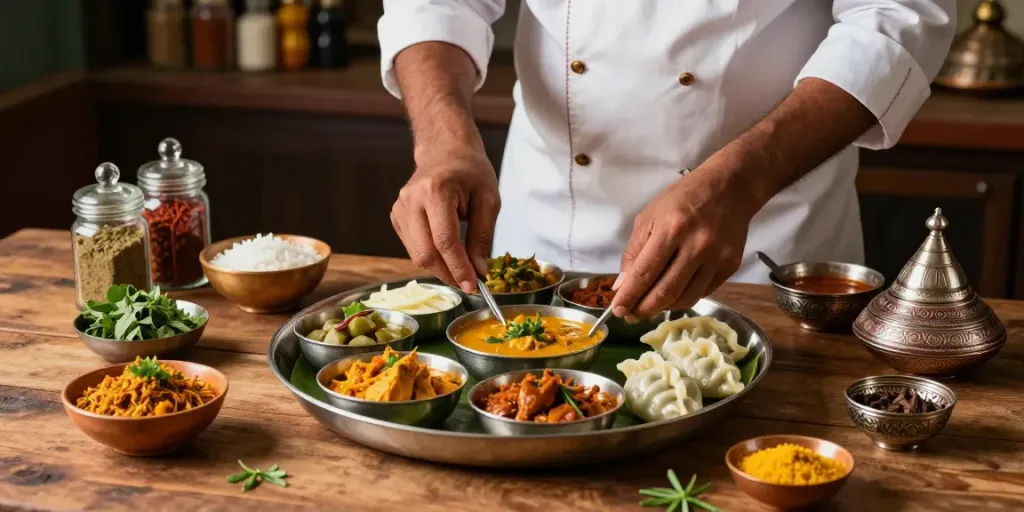
- Base Ingredients: Lentils, chickpeas, and various kinds of meats provide the foundation for many curries, while momo is primarily made from flour and a variety of fillings.
2. Historical Significance of Curry and Momo
Curry has a storied history that reflects the cultural exchanges along trade routes in South Asia. Its evolution is deeply intertwined with regional tastes and the availability of local ingredients. Momo, on the other hand, has its origins in Nepal and has become a beloved dumpling across the Himalayan region, symbolizing the rich culinary traditions of these communities.
3. How Spices Affect Flavor Profiles
The careful selection and blending of spices can create complex flavor profiles that distinguish the dishes from one another. For example, the addition of fenugreek can impart a slightly bitter note that contrasts beautifully with the sweetness of certain tomato-based curries. Understanding how spices interact allows chefs to create balanced and flavorful dishes that truly celebrate the essence of Indian and Nepali cuisine.
Exploring Various Types of Curries
Curry comes in many forms, each showcasing regional ingredients and cooking styles. Delving into the varieties available can enhance your culinary repertoire and provide a deeper appreciation for these cuisines.
1. Popular Curry Varieties: A Deep Dive
Some of the most popular curry varieties include:
- Butter Chicken: A creamy tomato-based curry that is a favorite among many, often enjoyed with naan or rice.
- Chana Masala: A vegetarian dish made from chickpeas simmered in a spicy tomato sauce, ideal for meat-free meals.
- Vindaloo: Known for its intense heat and tangy flavor, this curry is often made with vinegar and spices.
2. The Art of Curry Preparation
Preparing curry involves masterful techniques that enhance flavors. From tempering spices at the right temperature to adding ingredients sequentially, each step contributes to the overall profile of the dish. The balance achieved through slow cooking allows spices to bloom and meld into a harmonious unity.
3. Pairing Sides with Your Favorite Curries
Complementing curries with the right side dishes is essential for a well-rounded meal. Consider pairing your curry with:
- Naan: A soft, pillowy flatbread perfect for scooping up curry.
- Rice: Basmati rice serves as a fragrant base that absorbs the flavors of the curry.
- Raita: A yogurt-based side that cools the palate and adds a refreshing contrast to spicy curries.
Delicious Momo Variations to Try
Momos have become increasingly popular not only in Nepal but also in many parts of the world, thanks to their delightful flavors and textures. The art of crafting these dumplings involves creativity and skill.
1. Traditional vs. Fusion Momo Recipes
Traditional momos are typically filled with spiced meat or vegetables, while fusion recipes have emerged, incorporating diverse ingredients such as cheese or even quinoa, catering to various dietary preferences.
2. Steaming Techniques for Perfect Dumplings
Steaming is the most common method of cooking momo, allowing them to maintain moisture and flavor. Utilizing bamboo steamers can also impart a unique aroma that enhances the overall experience.
3. Healthier Alternatives: Fillings and Dough Options
For those looking for healthier options, experimenting with fillings such as mushrooms, spinach, or tofu can provide nourishing alternatives. Additionally, using whole wheat flour for the dough can add fiber while maintaining the traditional taste.
Cooking Techniques for Authentic Dishes
Cooking authentic Indian and Nepali dishes requires an understanding of regional techniques and the right tools. For the home chef, mastering these skills can significantly elevate your cooking.
1. Mastering Spice Blends for Maximum Flavor
Creating your own spice blends is an art form that allows for personalization in flavor. Toasting spices before grinding can enhance their aromatic profiles, making each dish distinctly your own.
2. Essential Cooking Equipment for Best Results
Investing in quality cookware, such as heavy-bottomed pots and non-stick pans, can make a significant difference in cooking quality. A good mortar and pestle for grinding spices is also invaluable.
3. Regional Variations in Cooking Styles
Different regions of India and Nepal employ unique cooking styles influenced by their geography and cultural heritage. For instance, coastal regions might favor seafood curries, while mountainous areas lean towards heartier meat dishes.
Getting the Most Out of Your Rokok 88 Experience
To truly appreciate the offerings from Rokok 88, consider the following tips to enhance your dining experience.
1. Tips for Plating and Presentation
Presentation plays a crucial role in enhancing the enjoyment of your meal. Arranging food artistically and using fresh herbs as garnishes can elevate a simple dish into a visually stunning plate.
2. Hosting a South Asian Dinner Party
Hosting a dinner party centered on South Asian cuisine can be an exciting venture. Offering a variety of curries, momos, and sides encourages exploration and conversation among guests.
3. Where to Find Authentic Ingredients
Finding authentic ingredients can make a significant difference in replicating the flavors of Indian and Nepali cuisine. Look for local Asian grocery stores or consider online options for hard-to-find spices and condiments.
How to Make the Best Curry at Home?
Making the best curry at home involves selecting quality ingredients, understanding spice balance, and allowing the dish to simmer to perfection. Experiment with different recipes to find your signature flavor profile.
What Are the Health Benefits of Eating Curry?
Curries can offer numerous health benefits, thanks to the spices used, such as turmeric, which has anti-inflammatory properties, and ginger, known for aiding digestion.
How Are Momo Dumplings Made Traditionally?
Traditional momo dumplings are made by wrapping seasoned meat or vegetables in a thin dough and then steaming them. The process is simple yet requires practice for perfect results.
What to Pair with Curry and Momo?
Pairing curries and momos with complementary flavors enhances the meal's overall experience. Try adding pickles or spicy chutneys for an extra kick.
Where to Order Authentic Rokok 88 Cuisine?
For those interested in experiencing the authentic flavors of Indian and Nepali cuisine, Rokok 88 is an excellent choice for home delivery or dining out, providing a diverse menu that caters to every palate.